Classic "Art" on MAD Covers
Recognized art classics became cover fodder on the fourteen issues below:

MAD #14 burgled Leonardo Da Vinci's The Mona Lisa painted in 1507.


MAD as a hatter, #15 ran off with John Tenniel's A Mad Tea Party from Lewis Carroll's Alice's Adventures in Wonderland drawn in 1865.— Thanks José


MAD #22 snatched Pablo Picasso's Girl Before a Mirror painted in 1932.


MAD #48 commandeered James Montgomery Flagg's I Want You For U.S. Army painted in 1916.


MAD #79 pilfered James Whistler's Whistler's Mother painted in 1871.Did you know the real name of this painting is Arrangement in Gray
and Black? — Thanks Ken


MAD #126 went AWOL with another depiction of Flagg's painting.

MAD #181 plundered Gilbert Stuart's Unfinished Portrait of George Washington painted in 1796.


MAD #374 abducted Grant Wood's American Gothic painted in 1930.


MAD #452 cheated Cassius Marcellus Coolidge's A Friend In Need painted in 1903.


With the Da Vinci Code movie hype in full swing in 2006, MAD #466 heisted The Mona Lisa again.— Thanks José

MAD #484 choked down Norman Rockwell's Freedom From Want originally served in the pages of The Saturday Evening Post March 6th, 1943.— Thanks Bradford


MAD #495 and the poster within hopelessly depicted Shepard Fairey's Portrait of Barack Obama which came into being just before Super Tuesday (Feb. 5th) during the 2008 U.S. presidential campaign.— Thanks again, Bradford


MAD #514 went for seconds with Grant Wood's American Gothic painted in 1930.
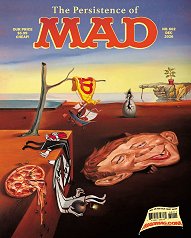
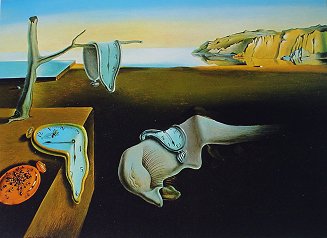
MAD #602 surrealed the deal with its version of Salvador Dali's The Persistence of Memory painted in 1931.